The €20 ETIAS fee has been formally set for visa-exempt travellers entering the Schengen area, following confirmation by European Union officials in early February. The charge applies to the European Travel Information and Authorisation System (ETIAS), which is scheduled to become mandatory from late 2026 once related border systems are fully operational.

What changed
According to an official announcement from the European Commission on 4 February, the ETIAS application fee will be €20 per applicant. The fee applies to travellers aged 18 to 70 who hold passports from more than 60 visa-exempt countries, including the United Kingdom, the United States, and Canada. Children under 18 and adults over 70 are exempt from the charge.
Background and policy context
ETIAS is a pre-travel authorisation system for short-term visits to the Schengen Area and Cyprus. It is not a visa but functions as an electronic screening mechanism similar to the U.S. ESTA. Applicants submit passport and personal data through an online form, which is automatically checked against European and international security databases, including systems operated by Europol and Interpol.
Most authorisations are expected to be issued within minutes, though EU rules allow processing to take up to 30 days in cases requiring manual review. Once approved, an ETIAS authorisation is valid for three years or until the associated passport expires, whichever comes first, and permits multiple short stays of up to 90 days within any 180-day period.
Who is affected
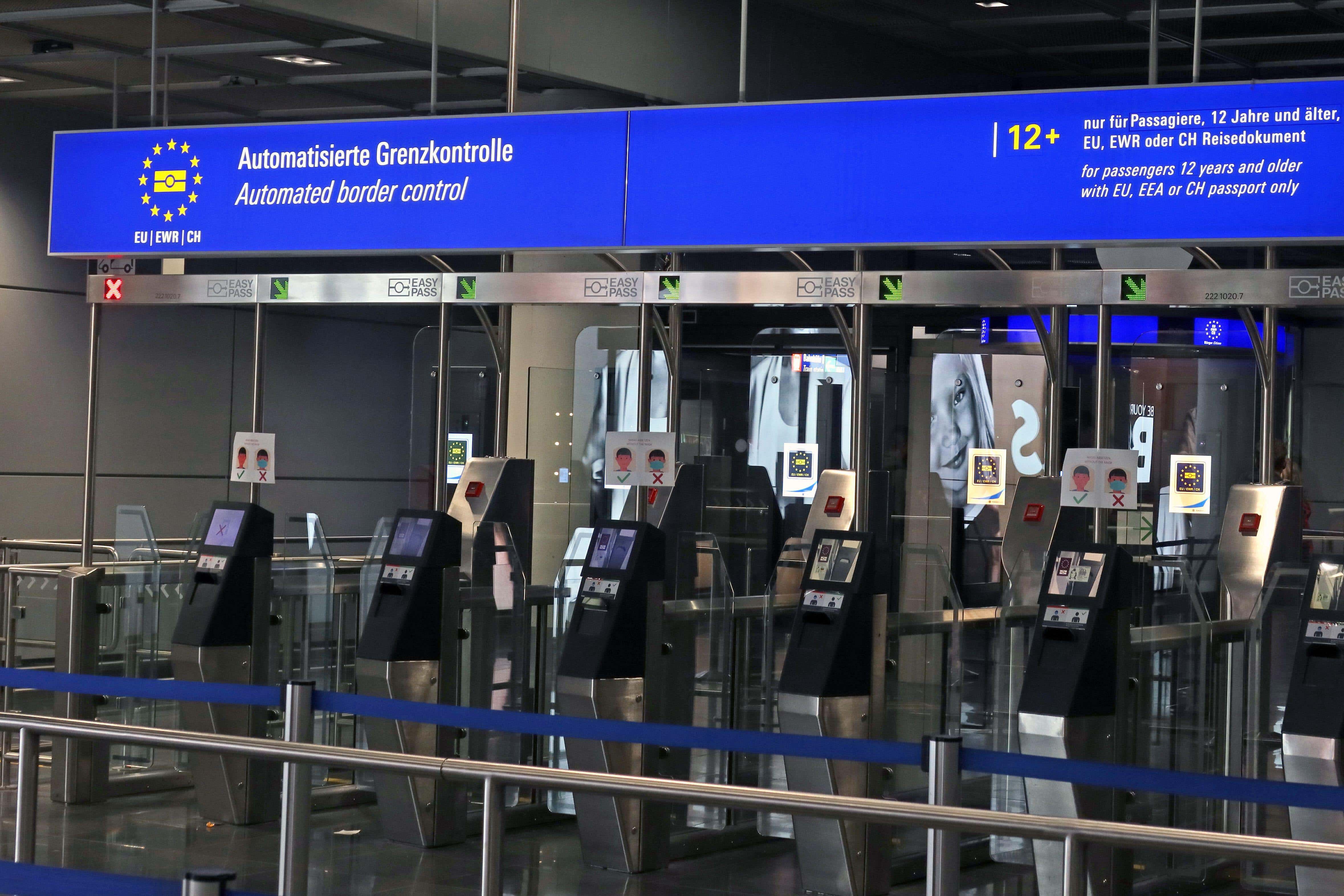
The €20 ETIAS fee affects visa-exempt travellers from eligible countries who plan short-term visits for tourism, business, or transit purposes. It also has operational implications for airlines and airports, which are required to verify ETIAS status before boarding passengers bound for the Schengen area.
Airports, including Vienna International Airport, have indicated that ETIAS verification will be integrated into existing check-in and boarding systems. Under EU carrier-liability rules, transport operators may face financial penalties for carrying passengers who lack required travel authorisation.
Official sources and implementation timeline
EU officials have reiterated that ETIAS will become mandatory only after the separate Entry/Exit System (EES) is fully operational. The EES, which records biometric and travel data for non-EU visitors, is currently targeted for an April 2026 rollout. ETIAS would follow with a transitional “soft-launch” period during which travellers without authorisation may receive warnings rather than being denied boarding.
National authorities, including Austria’s Interior Ministry, have stated that additional border and administrative staff are being recruited to support the transition. The European Commission has emphasised that further technical guidance will be issued closer to the launch date.
Update note
This article reflects information confirmed by EU authorities as of early February 2026. Implementation timelines and operational details remain subject to change pending the full deployment of the Entry/Exit System.