You don’t need permanent residency to be qualified for a German passport, but the type of permit you have does matter. Here’s the scoop on which residence permits allow you to naturalise and which do not.
If you’ve started thinking about taking the plunge and applying for a German passport you’re probably already aware of the standard requirements, such as having legally lived in the country for five years and having B1 level German language skills.
But which type of residence permit you need to have to qualify can be a point of confusion. A common misconception, according to comments and questions we at The Local get from readers, is that applicants first need to qualify for permanent residency before they can apply to naturalise.
That’s not true — if you meet all of the requirements, you can jump directly from foreign resident to German national from a number of different residency statuses.
But the specific type of residence permit you hold at the moment you submit your naturalisation application does matter. Some types of permits specifically disqualify you from gaining citizenship — regardless of how long you’ve lived in the country or how integrated you may be.
Here’s a look at the residency types that allow you to gain a red eagle passport, as well as those that do not.
Qualified permits offer ‘unrestricted’ right of residence
Fortunately, many common residence permits come with the green light to apply for citizenship.
The authorities define it this way: You are eligible if you have “an unrestricted right of residence in Germany” at the time of applying.
This, of course, includes a permanent residence permit in the EU, but it also includes a settlement permit, as well as permits granted to British citizens under the Brexit Withdrawal Agreement.
EU and Swiss citizens are also automatically eligible here as their right to remain is established by the EU’s freedom of movement rules — as are citizens from Norway, Iceland, and Liechtenstein who also have freedom of movement here.
Also included are Turkish nationals covered by the ARB 1/80 agreement.
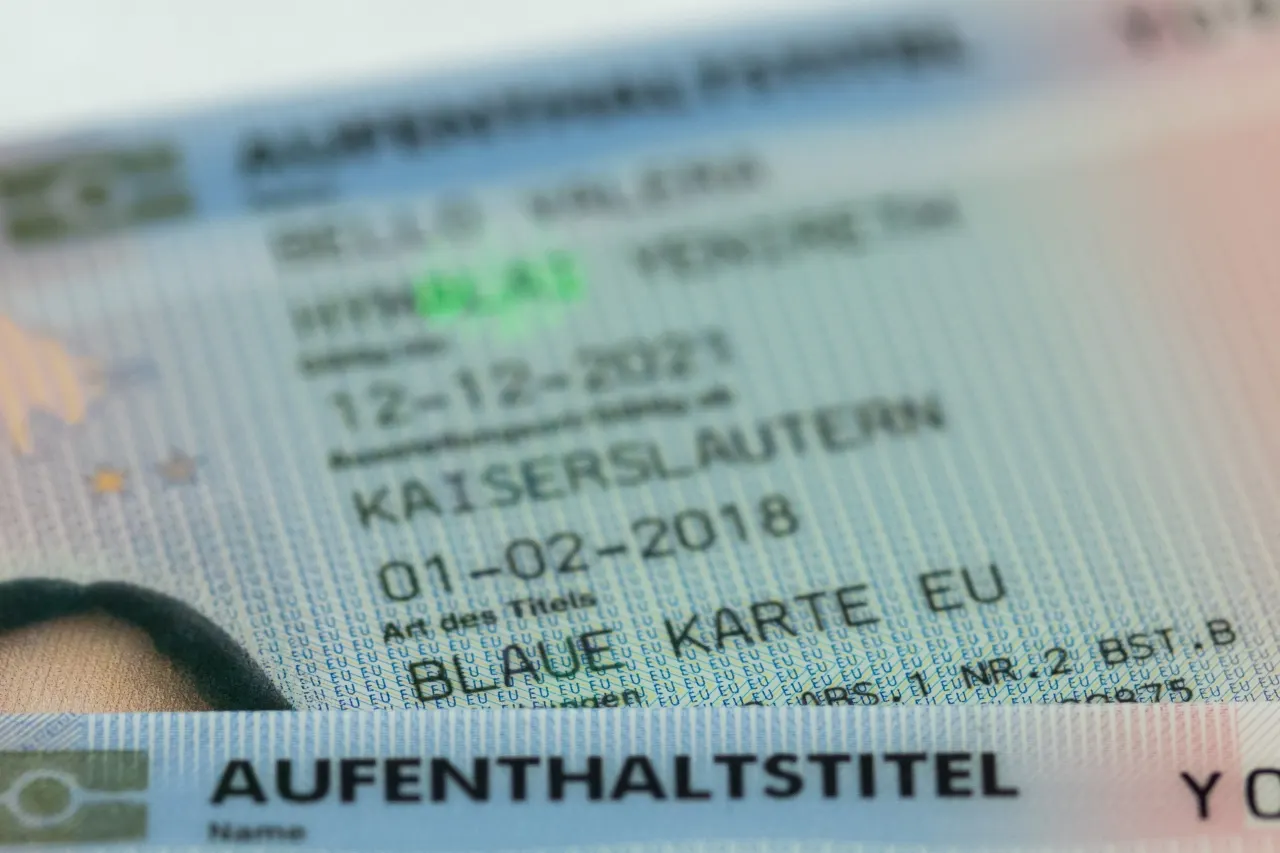
Other temporary residence permits that can lead to permanent residency are also included, such as; EU Blue Cards or skilled worker residence permits (specifically under §§ 18a and 18b).
Note that even a ‘fictional certificate’ (Fiktionsbescheinigung) should work here, if your previous residence permit was one of the above and all other legal conditions to extend it are met.
READ ALSO:
Permits that do not qualify
Some temporary visas strictly prohibit you from naturalising while you hold them.
The biggest culprits here are study and training visas. If you are currently on a student visa or a vocational training permit (like §§ 16a-16f or 17), you cannot immediately apply for citizenship.
Similarly, permits designed for looking for work, such as the Job-Seeker Visa or the Opportunity Card do not qualify.
Other restricted categories include mobile researchers, ICT card holders and people residing under temporary protection or certain humanitarian stays.
If your permit is one of these, you would first need to apply for and gain a qualifying permit before you submit your citizenship application.
For students or trainees, the smoothest path forward here tends to be successfully completing your degree or traineeship and then gaining a job that allows you to qualify for one of the skilled worker residence permits mentioned above. In many cases this may also involve getting a ‘job-seeker’ permit in between.
Time on all permits counts
Another common misconception worth noting: All time spent living in Germany counts toward meeting the residency requirement for citizenship as long as you remained legally entitled to reside in the country.
So while a student or job-seekers visa won’t qualify you for citizenship immediately, the time you spend living in Germany on those non-qualifying permits still fully count towards your overall five-year residency requirement.
READ ALSO: When does your residency in Germany start counting toward citizenship?
How to check
If you’re unsure if your current residence permit does or does not qualify, there’s a quick way to check.
Grab your residence permit ID card and look at the “remarks” (Anmerkungen) section. On most residence permits you will see a legal paragraph listed there (a number and letter).
The following types do not allow you to immediately gain citizenship: 6a, 16b, 16d, 16e, 16f, 17, 18f, 19, 19b, 19e, 20, 20a, 22, 23a, or 24. Additionally residency according to 25 paragraph 3 to 5, or §104c of the Residence Act are not permitted.
If you are still in doubt, try using one of the online ‘quick check’ tools — like this one provided by the authority in Bavaria — to confirm where you stand, or reach out to your local immigration authority directly.