Scammers are exploiting France’s new barrier-free motorway toll system by sending payment requests via text and email. Here’s how the fraud works and how drivers can avoid it while travelling this summer.
France’s expanding network of barrier-free motorway tolls has led to a rise in scams targeting motorists, with scammers posing as toll operators to steal bank details.
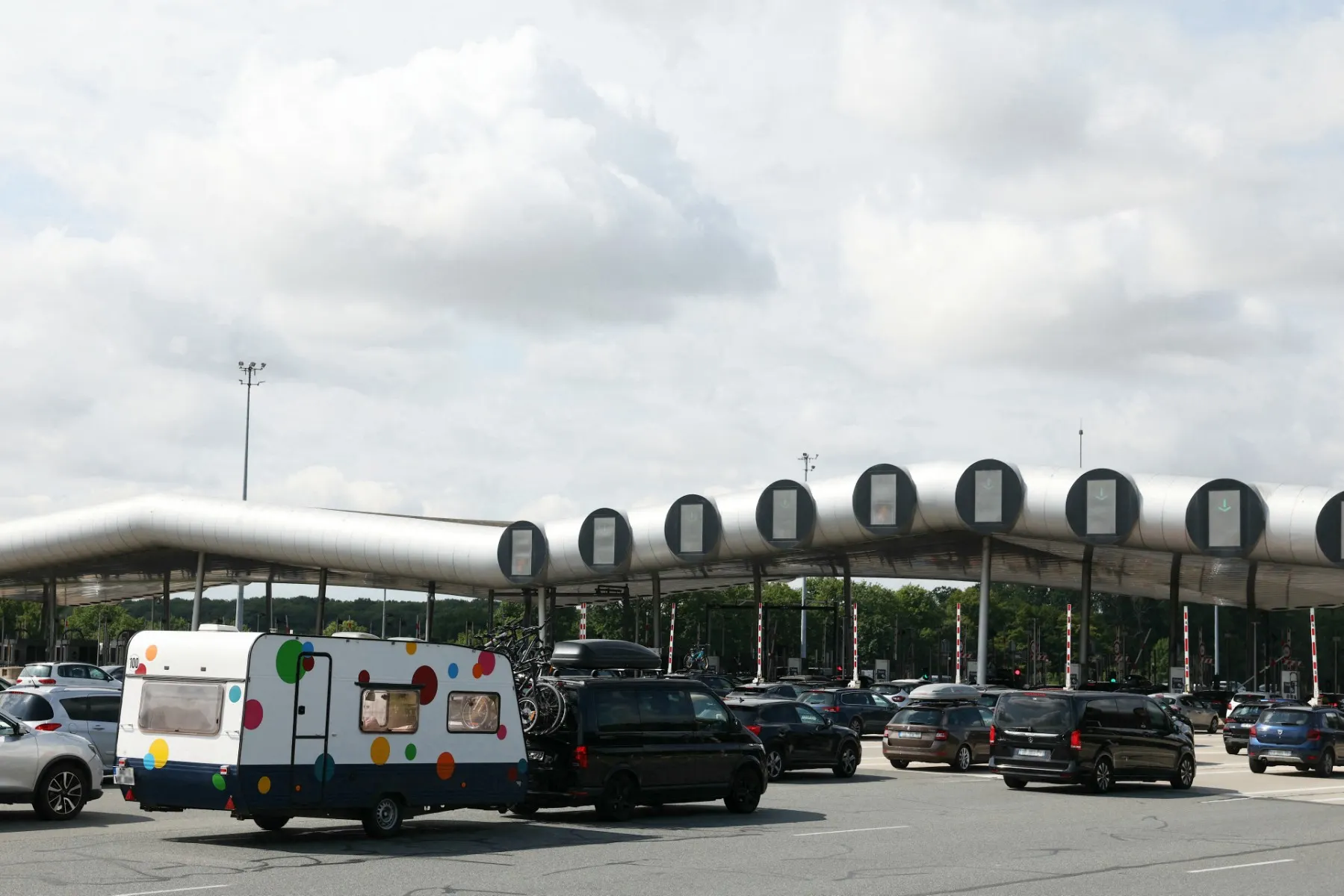
The scam takes advantage of France’s free-flow tolling system, which has been introduced on several motorway sections, including parts of the A13, A14, A79 and A4. Unlike traditional toll roads, free-flow routes have no barriers. Instead, overhead cameras record vehicle number plates as drivers pass through, allowing motorists to pay later online.
READ ALSO: Péage: How France’s new free-flow tollbooths work
Drivers generally have 72 hours to pay the toll before penalties begin to apply. The fine starts at €10 before increasing to €90 and eventually €375 if the payment remains outstanding for more than two months.
But some are now exploiting this payment system by sending fraudulent text messages and emails claiming that a toll payment is overdue. The messages often appear to come from Ulys, France’s electronic toll service, or motorway operators such as Vinci Autoroutes, and typically warn recipients that immediate payment is required.
The links included in these messages direct users to fake websites that closely resemble the official payment pages of motorway operators. Motorists are asked to pay a relatively small amount, often around €10, but are also prompted to enter their bank card details, which are then stolen by the scammers.
MAP: Where are France’s tollbooth-free motorways?
Toll payments for free-flow tolls can only be made via the Sanef (A13 – A14) or Aliaé (A79) websites. Sanef, one of France’s major motorway companies, also specifies that it does not send text messages or emails requesting payment for tolls.
Motorway operators are urging drivers to remain vigilant and to remember that under no circumstances should payment be made to Ulys.
Drivers who receive a payment request should avoid clicking any links in the message. Instead, they should visit their motorway operator’s official website directly and log into their account to check whether any toll charges are actually outstanding.
Those who prefer not to pay online can also settle free-flow toll payments at authorised Tabacs within the Nirio payment network. Find one near you using this map.
On its website, Ulys provides guidance on how to spot these fraudulent emails, text messages and websites.
Anyone who receives a suspicious toll payment message is advised to delete it after forwarding it to 33700, France’s free reporting service for spam and fraudulent text messages.