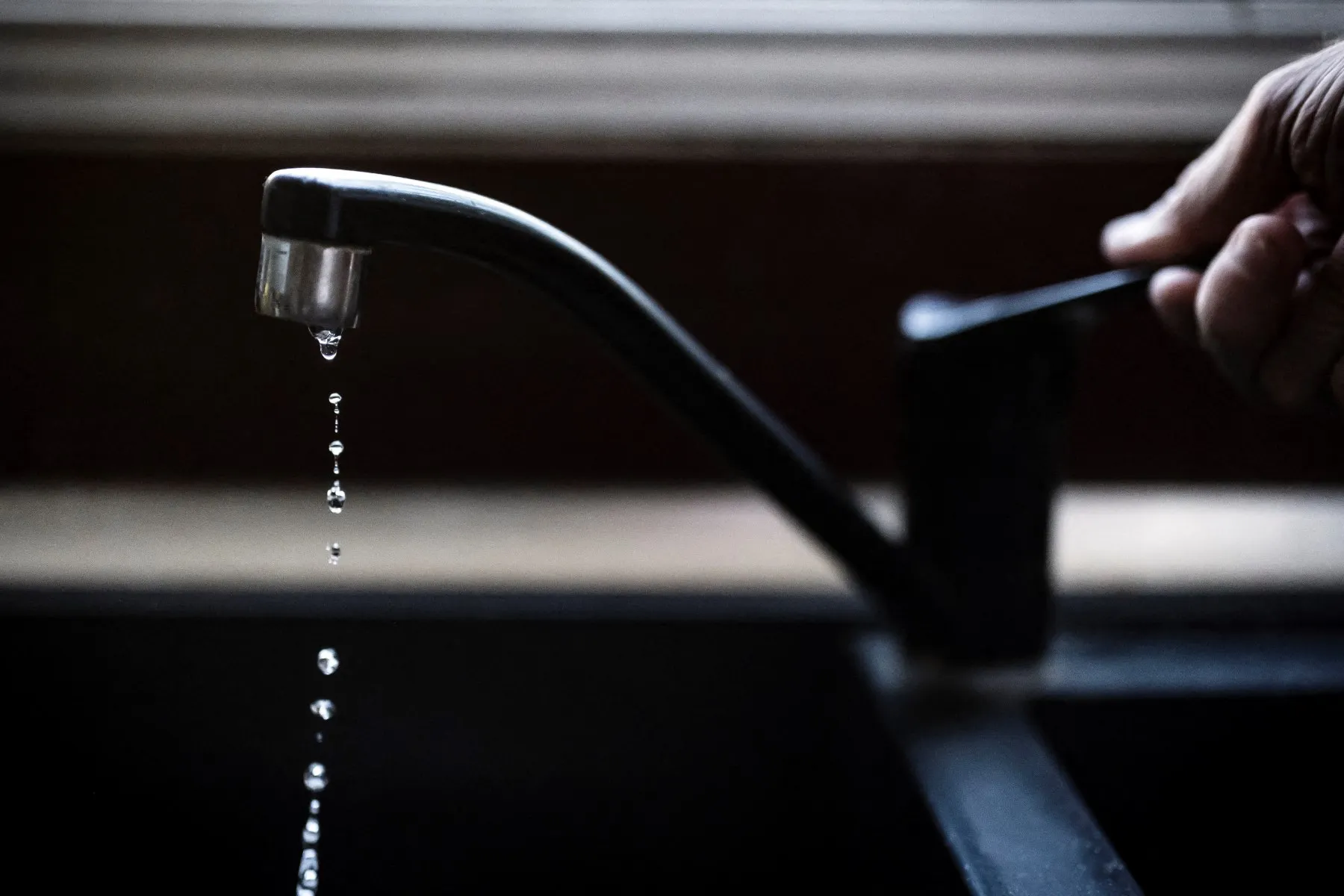
After weeks of intense heatwaves, France is facing a severe drought that is putting increasing pressure on the country’s water supplies. So are we really likely to see the taps run dry?
More than half of France’s départements are now under the highest level of drought restrictions, with some communities already relying on tanker deliveries to maintain drinking water supplies.
Speaking on July 15th, Ecological Transition Minister Monique Barbut described the situation as “exceptional” and “a cause for serious concern”. Almost every département in mainland France is now under drought monitoring, with 55 départements at the highest “crisis” – the highest number recorded since national monitoring began in 2013.
According to the government, around one quarter of France’s smaller rivers and streams have now dried up completely – an unprecedented situation since national monitoring began in 2012.
Parched soils are also approaching record-low moisture levels after weeks of exceptionally high temperatures.
Water restrictions spread across France
As drought conditions intensify, préfets have introduced increasingly strict water restrictions across the country.
In France, water restrictions are introduced on a commune level – find out the situation in your local area in the article below.
Maps of all the water restrictions in place in France
Depending on the alert level, measures include bans on watering gardens during the day, filling private swimming pools and washing cars. Farmers in many areas are also prohibited from irrigating crops during certain hours, while agricultural water use has been significantly reduced.
Under France’s drought alert system, the highest “crisis” level bans almost all non-essential water use, with only priority services such as drinking water, healthcare and civil protection exempt.
But what if these measures are not enough?
Water tankers
Several rural communities are already struggling to maintain their drinking water supply.
Groundwater levels have fallen so low that some villages’ natural springs can no longer feed the public water network. Instead, tanker lorries regularly refill the local water tower.
For example, in Montjoie-le-Château, in the Doubs département, northeastern France, residents are faced with this situation. “Our aquifers were overflowing this spring,” said mayor Claude Martelet. “They emptied very quickly, and now we’ve run out of water.”
It is the third time since 2022 that the local authority has had to organise emergency water deliveries. “Two years ago we spent €80,000 on tanker deliveries,” said Martelet. “Small communes like ours simply couldn’t afford to pay those costs every year.”
It’s not unheard of for taps to run dry completely – during the severe drought year of 2022, several villages in the south had no drinking water, with residents forced to rely on deliveries of bottled water, organised by the local mairie.
But the water supply problems are no longer affecting only isolated villages.
Warnings and disruption
Over the July 14th holiday weekend, local authorities in Normandy, Brittany, Vendée and the Pays de la Loire warned residents that exceptionally high demand could lead to temporary water shortages.
Officials say the prolonged heatwave, combined with large numbers of holidaymakers choosing France’s Atlantic coast over the hotter Mediterranean regions, has significantly increased water consumption.
READ MORE: Climate refuge: Can you really escape the French heatwaves in Brittany?
Residents and visitors on the Île de Ré have received text messages and emails urging them to reduce water use, particularly overnight, as reservoirs struggle to keep pace with demand.
The island has no groundwater reserves and relies entirely on supplies from the mainland. Around 80 percent of its drinking water comes from the Charente River, while the remaining 20 percent is imported from neighbouring Vendée.
By mid-July, around 100,000 residents across France had already experienced water rationing or supply disruptions.
Widespread shortages?
But despite the worsening drought, hydrologist Yves Tramblay, research director at the French National Research Institute for Sustainable Development (IRD), told French media La Croix that there is no immediate risk of a nationwide drinking water shortage.
“There may be local shortages,” he said. “Villages supplied by a single spring or well can run out of water during a drought, but these remain localised situations.”
He stressed that France gives absolute priority to drinking water supplies and that authorities have several tools available to manage the supply.