
A homeowners' association can't prevent apartment owners from installing an air conditioning unit, Germany's court of justice ruled on Wednesday, in a case seen as strengthening homeowners' right to cool their homes.
Air conditioning (AC) systems are far from common in private homes in Germany, but they are becoming increasingly attractive for many people in view of increasingly hot summers.
On Wednesday, Germany's Federal Court of Justice (BGH) ruled in favour of an apartment owner who had challenged his homeowners' association for attempting to block the installation of AC. The decision is seen as strengthening the rights of apartment owners to add cooling systems, including externally mounted units, to their homes.
Here's what the court said, and what it means for homeowners in Germany.
Put simply the court decision is seen as establishing a basic rule: Homeowners' associations can't usually prevent the installation of air conditioning units.
Before going further, it's worth noting that if you want to buy an air conditioning system for your own home in Germany, there are two main options.
The first is a compact device, or monoblock, which is mobile and is connected to a socket. These feed warm air exhaust out through hose, which usually needs to go through a cracked window. Because they don't require physically altering your apartment, these units don't require approval from your landlord or homeowners' association to buy and use.
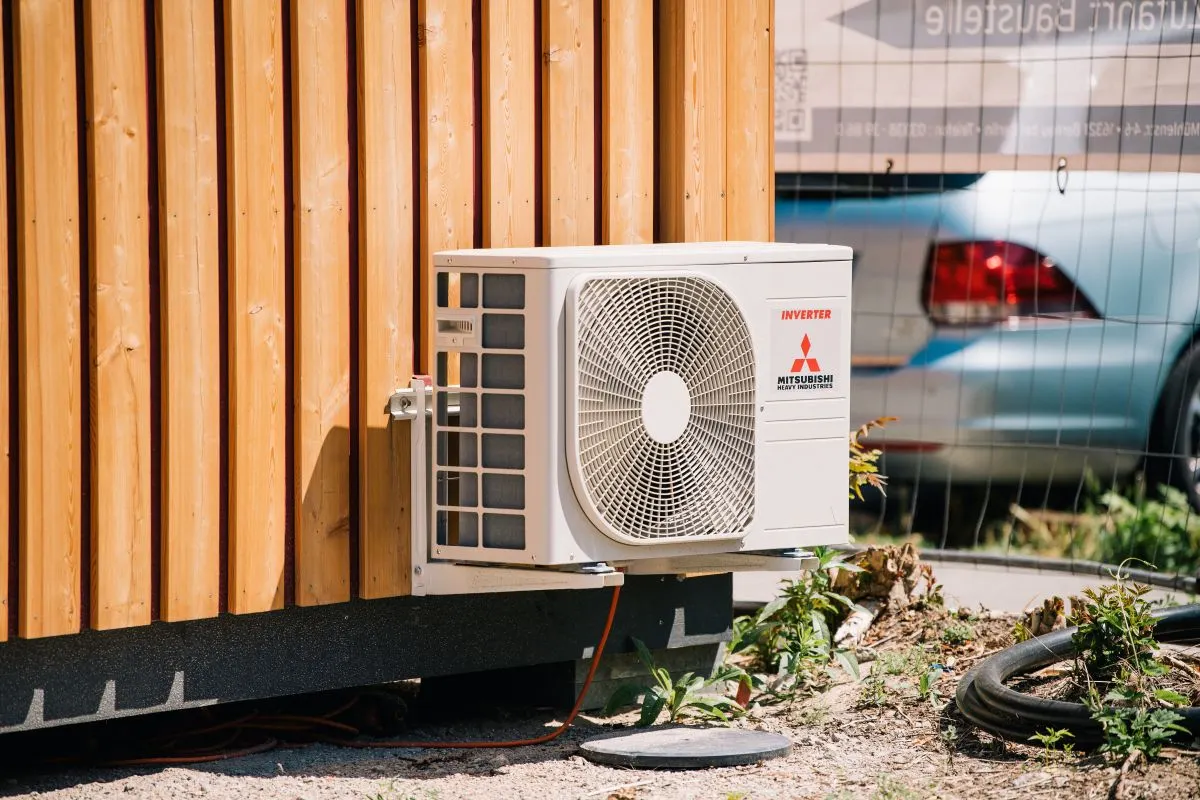
The second are called split units, which comprise of an indoor unit, which cools your room, and an outdoor unit that hangs on the exterior wall and emits heat. Installing these units requires drilling through the wall, which is why landlords or homeowners' associations may be reluctant to let tenants install them.
READ ALSO: What are the rules around installing air conditioning in your home in Germany?
What did the court rule?
The case that the Federal Court of Justice ruled on was brought by apartment owners from Berlin who wanted to install a split AC unit on their balcony, but were blocked from doing so by their condominium owners' association.
The association did not want to deal with the noise, condensation or exhaust heat from the unit, and tried to argue that the installation could reduce the rental or sales value of the neighbouring flats.
They challenged this at a Berlin regional court, which ruled in their favour, suggesting that the installation of AC would not impair other homeowners in a meaningful way. Now the Federal Court of Justice reaffirmed that ruling.
Crucially, the court also found that the noise AC units make during operation are not a viable reason to prohibit owners from installing them.
Only effects directly associated with the installation of the AC system should be considered, the courts ruled, not the effects of its use.
The ruling is reminiscent of a similar decision by Germany's highest civil court last year. In that case a single landlord had tried to prevent a majority of neighbouring homeowners from installing AC due to the noise they would cause.
The court had similarly ruled that the question of whether an AC unit can be installed depends on immediate structural effects, not fears of future noise disturbances due to later use.
Is AC a growing trend in Germany?
Around 17 percent of people have air conditioning at home in Germany, as a representative YouGov survey found, but 20 percent of the rest of the population plan to get one.
These proportions had increased significantly in just one year. In July 2025, 15 percent already owned one and just 10 percent more planned to buy one.
READ ALSO:
Sales of air conditioners - mostly split air conditioners - rose from around 260,000 to 320,000 units between 2023 and 2025, according to the Building Climate Association.
Since the country-wide heatwave at the end of June, many shops reported selling out of fans and cooling units.