
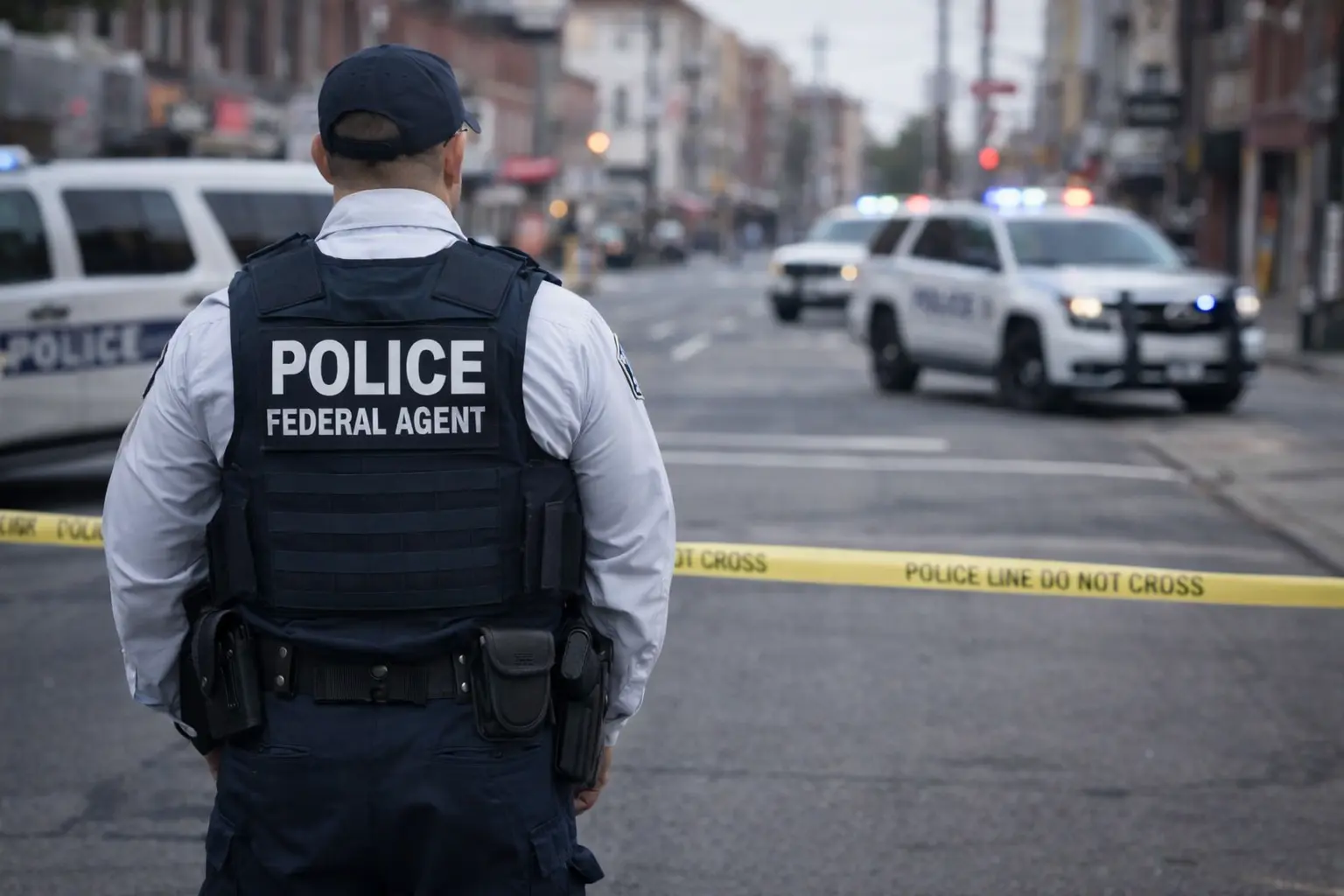
The US ICE enforcement controversy has intensified following fatal shootings involving federal agents in Minneapolis, prompting rare public criticism from Republican lawmakers while leaving President Donald Trump’s broader immigration agenda largely untouched. The response highlights growing political tension over immigration enforcement tactics as public scrutiny increases ahead of the midterm elections.
What changed in the US ICE enforcement controversy
Republican lawmakers have begun calling for greater oversight of US Immigration and Customs Enforcement (ICE) and other Department of Homeland Security agencies after two US citizens were killed during federal operations in Minneapolis. While senior Republicans stopped short of criticizing President Trump directly, several have demanded congressional hearings, investigations, and leadership accountability within DHS.
The shift follows mounting public anger and new polling showing concern over enforcement tactics. A New York Times/Siena College survey published in mid-January found that a majority of voters believe ICE’s methods have gone too far, adding pressure on lawmakers who have previously supported expanded enforcement funding.
Background and policy context
Since President Trump’s return to office, immigration enforcement has remained a central pillar of his domestic agenda. In 2024, a Republican-controlled Congress approved approximately $45 billion in funding for border security and interior enforcement, strengthening ICE’s operational capacity nationwide.
The Minneapolis operation, known as Operation Metro Surge, brought heightened attention to ICE’s role in urban enforcement. Initial statements from federal officials described one of the deceased, Alex Pretti, as an armed threat. Subsequent accounts disputed that characterization, with witnesses stating Pretti was filming agents and assisting another person when he was shot.
As details emerged, the White House adjusted its messaging. President Trump later indicated an effort to de-escalate tensions, dispatching senior border official Tom Homan to assume control of the Minneapolis operation and signaling leadership changes within Border Patrol command on the ground.
Who is affected
The US ICE enforcement controversy affects several groups at the policy and political level, including:
- Federal immigration enforcement agencies operating in major US cities
- Lawmakers overseeing homeland security and immigration funding
- State and local governments interacting with federal enforcement actions
- Communities experiencing large-scale immigration operations
The debate also intersects with broader discussions on law enforcement accountability, federal oversight, and the limits of executive authority in immigration policy.
Republican response and internal divisions
Several Republican figures have publicly questioned ICE’s conduct without challenging President Trump’s overall immigration platform. Senator Rand Paul, chair of the Senate Homeland Security and Governmental Affairs Committee, requested testimony from ICE leadership and other agencies. Senator Lisa Murkowski stated that ICE agents do not have unrestricted authority, while Senator Thom Tillis called for the resignation of DHS Secretary Kristi Noem, a move the White House rejected.
Other Republicans, including House Homeland Security Committee Chair Andrew Garbarino, backed investigations into the shootings, emphasizing Congress’s oversight role. Senator Ted Cruz criticized the administration’s rhetoric following the incident but maintained support for the president’s broader enforcement goals.
Official sources and references
- US Department of Homeland Security (DHS): https://www.dhs.gov
- US Immigration and Customs Enforcement (ICE): https://www.ice.gov
- US Senate Committee on Homeland Security and Governmental Affairs: https://www.hsgac.senate.gov
- New York Times/Siena College polling reports: https://www.nytimes.com
Update note
Updated on January 28, 2026, to reflect statements from Republican lawmakers, White House responses, and reported leadership changes related to Operation Metro Surge in Minneapolis. Further developments may follow as congressional investigations proceed.