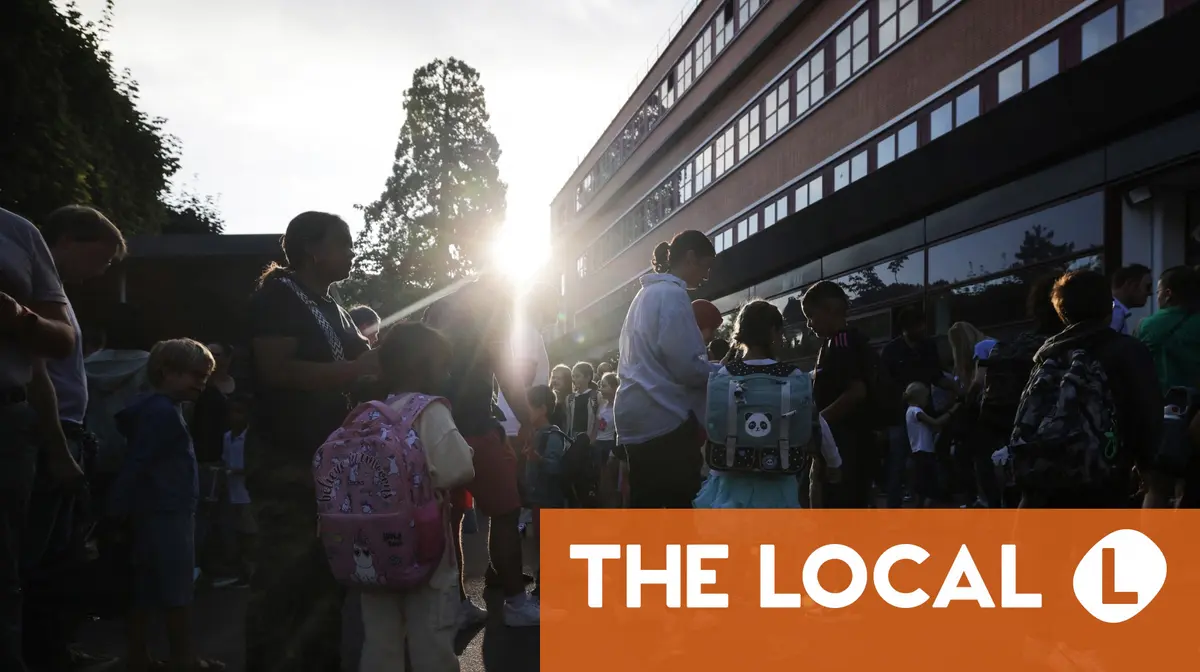
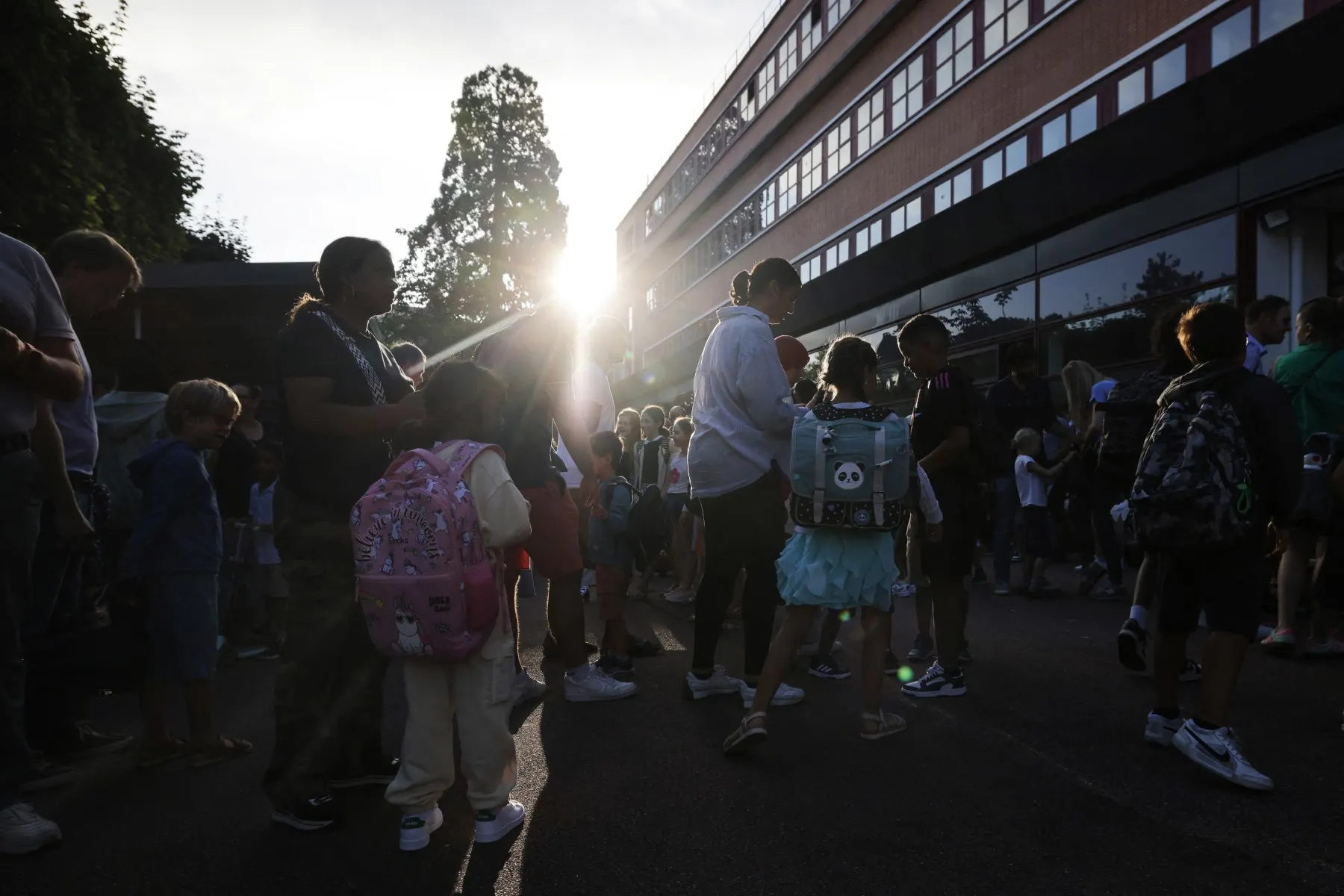
Children at schools, collèges or lycées in France could be obliged to change establishment if their parents' behaviour is judged unacceptable under the terms of a decree published in the Journal Officiel at the end of July.
France's Education Minister Edouard Geffray, has made “improving the school climate” one of his priorities.
In his back-to-school circular, he mentions the “necessary return to a form of civility too often called into question by the behaviour of some students and sometimes even some parents”.
READ ALSO Who are France's 'parent representatives' and what do they do?
This was followed by a decree published in the Journal Officiel in July 29th, mandating that children can be required to change schools if their parents' behavior is deemed unacceptable.
Under the terms of the decree – intended, it says, to protect teachers in “a deteriorating school climate” – the directeur académique des services de l’Éducation nationale (Dasen) has the authority to move a child out of their collège or lycée and into another if the behaviour of the parents causes problems.
In cases involving children of primary school age, the local mairie will also be involved in any such move, as it is directly responsible for the running of primary schools in its catchment.
READ ALSO How to prepare for your child starting at French school
Any student who goes through this process will receive “enhanced educational and social support” until the end of the school year in which they switch establishments.
But what behaviours might trigger such a response from education officials?
The decree does not specify examples, but states that the behaviour of the parents would have to “seriously compromise” the “normal functioning” of a school.
This is not to suggest that repeated requests for meetings with staff, or end-of-day discussions at the school gates will eventually lead to such a sanction - it is aimed at causes of abuse of school staff, either verbal or physical.
And levels of abuse of teachers at schools are on the rise. The Education Ministry’s own figures reveal that four ‘serious’ incidents per 1,000 students were recorded in primary schools alone during the 2024/25 school year – nearly half of which were cases of verbal abuse.
A third of those cases of verbal abuse came from parents, with the majority – around 60 percent, the figures state – targeting members of staff.
Even so, the measure has prompted an outcry from teaching unions and parents’ associations.
Several have criticised penalising children for their parents’ actions and questioned the direct consequences for the child, such as a breakdown in relationships with people their own age, a negative image of the school, and a sense of injustice.
In early July, union representatives and parents walked out of a meeting at the Ministry in protest. The Federation of Parents’ Councils (FCPE) said at the time that, “punishing a child for what their parents do is unacceptable”.