A French MP has announced his intention to propose a new law to tax tobacco companies to pay for the cost of fighting France's increasing wildfires - his reasoning being that many fires are started accidentally by carelessly dropped cigarette butts.
Yannick Neuder, an MP for the right-wing Les républicains party who briefly served as health minister in 2025, told Le Figaro that he intends to put forward a law to create a new tax to cover the cost of fighting wildfires this summer.
He said: "A cigarette butt thrown out of a car window, and a forest goes up in smoke. This summer, nearly 98,000 hectares burned in our country.
"I am introducing a bill to ensure that tobacco companies - the ones that produce billions of these cigarette butts - finally do their part by making a contribution based on their revenue."
His proposal is a tax of €15 per 1,000 cigarettes sold, paid directly by the manufacturer, adding that the money "will help create and fund a reforestation fund and support our civil protection forces."
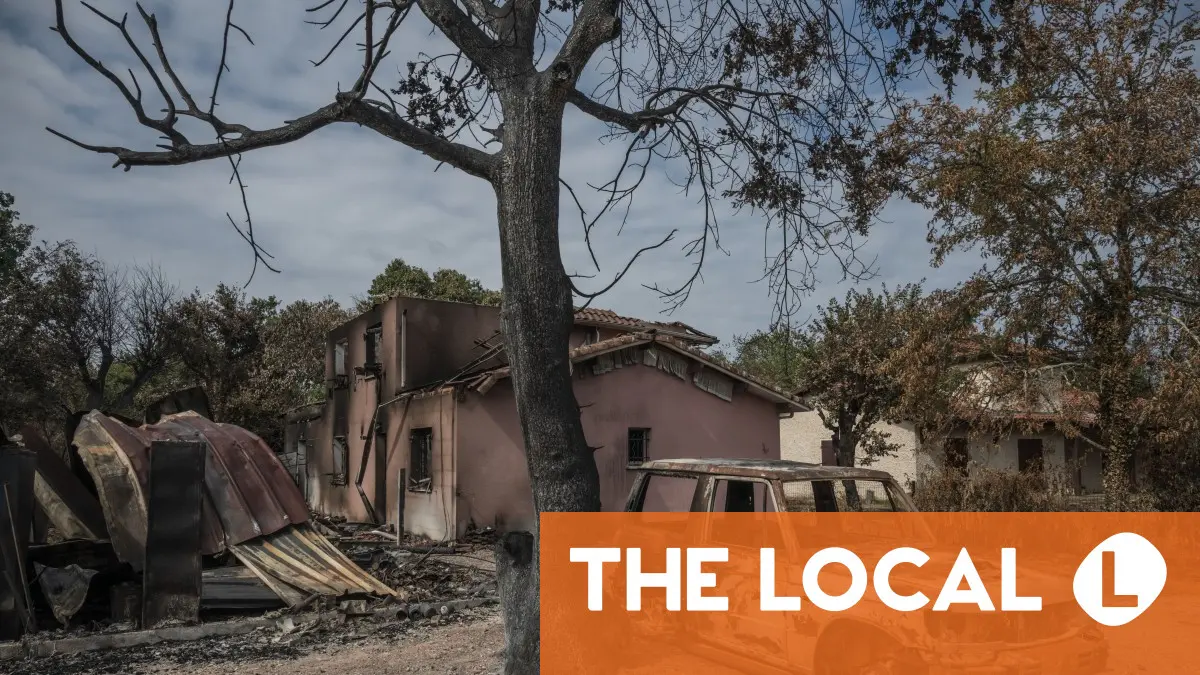
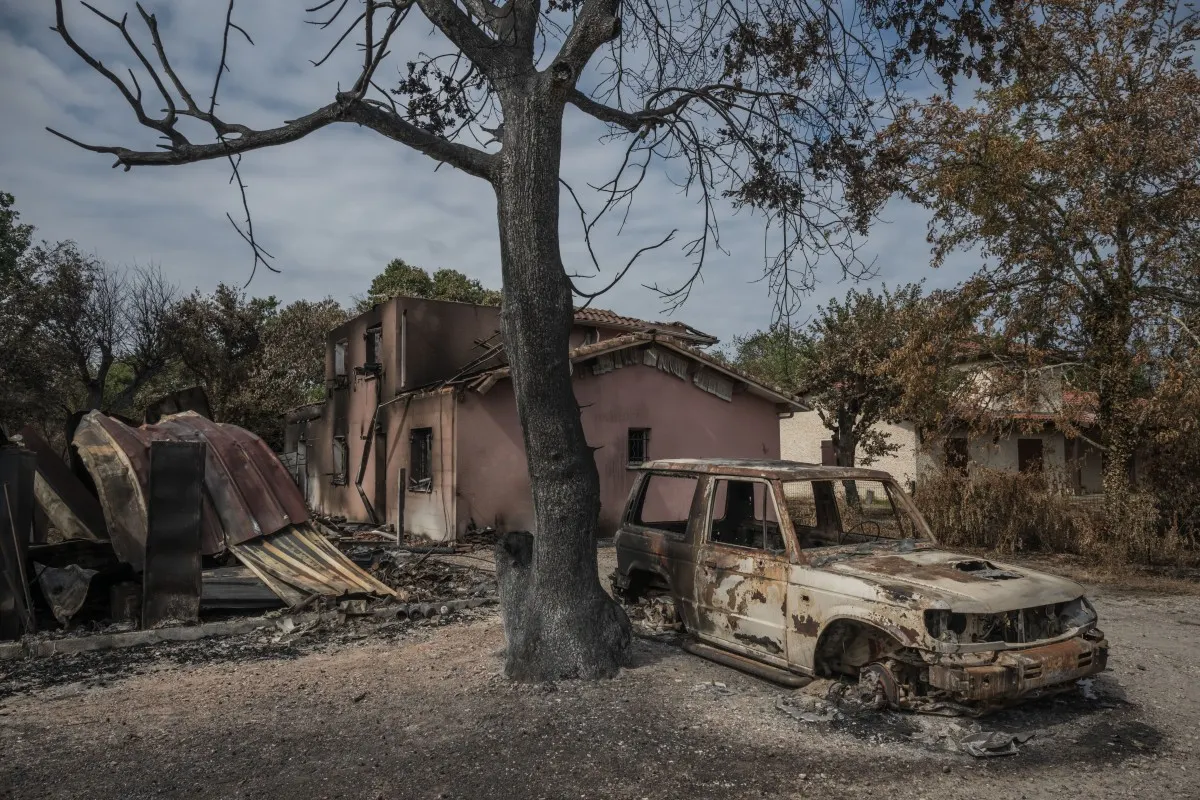
The summer of 2026 has been one of the worst on record for wildfires in France, with more than 90,000 hectares burning, including a massive wildfire near Bordeaux that torched 42,000 hectares.
Overall, more than 200,000 people have been evacuated from their homes so far this summer, while hundreds of homes and businesses have burned.
Almost 90 percent of wildfires in France are started by human activity, both deliberate and accidental, and dozens of arrests have been made.
Carelessly discarded smoking materials are a major cause of accidentally-started blazes, with 17 percent of drivers admitting to throwing cigarette butts out of the window of their vehicle - the government is currently running a public information campaign reminding people of the fire risks linked to cigarette butts.
But the underlying cause of the massive blazes is climate change - France's longer, hotter, drier summers are producing the conditions that turn small fires into out-of-control wildfires, with parched vegetation and tinder-dry forests.
READ ALSO: Explained: The causes of France's increasingly severe wildfires