Will this summer's repeated fatal heatwaves and enormous wildfires cause French politicians to get serious about tackling climate change? Don't bet on it, says John Lichfield.
This is a scary summer. Scarier summers are on the way.
A heatwave in June caused an extra 5,700 deaths in France. A fourth heatwave, with temperatures in the high 30Cs, starts this week. The biggest wildfires ever recorded in this country are raging in the pine forests of the South West.
Bordeaux appeared in danger until a few days ago. The ninth largest city in France was saved by a change in the wind and the courage of mostly volunteer fire-fighters.
We have not yet reached August, which is usually the peak French month for temperatures and for forest-fires.
The first heatwaves provoked an absurd political debate not about global warming but about air-conditioning. The controversy started with a spark dropped deliberately by Marine Le Pen, the Far Right leader and opinion poll favourite to be the next President of the Republic.
France was suffering a miserable summer, she suggested, because “les élites” and especially the Left detested and resisted air-conditioning. Almost all the political air was consumed by that controversy, rather than by a serious examination of the reality of climate change (a threat denied or down-played by the Far Right in France as elsewhere).
We haven’t heard much from Le Pen on the wildfires. Could they not all be solved by a series of giant air-conditioning units suspended over Aquitaine?
Instead the hard left leader Jean-Luc Mélenchon and his number two Manuel Bompard accused successive governments under President Emmanuel Macron of neglecting France’s fire defences. A plan to buy extra Canadairs, the fire-fighting aircraft which can scoop water from lakes or the sea, was scrapped by the Gabriel Attal government in 2024, they said.
In fact, the Canadian company De Havilland stopped making the planes in 2015. Production has resumed, partly at France’s request, but the first two planes will not be delivered until 2028. The Attal government did briefly cancel them but they would not have been ready this summer in any case.
Macron governments have doubled France’s civil defence budget since 2017 and spent more on fire-fighting aircraft than any other administration this century. Apart from the Canadairs, France uses helicopters and Dash aircraft, which bombard the forests with fire-retardant chemicals. Canadairs remain the first-line of attack because they can reload with water without landing and attack fires again and again.
It is an unfortunate fact, nonetheless, that France had only seven out of its 12 Canadairs available this month to attack the largest fires it has ever seen. Whose fault is that? One plane crashed last year. Others are out of action because of a shortage of spare parts and slow maintenance.
The government merits some of the blame for ignoring warnings that its private maintenance contract for its Canadairs was inadequate. But that is not what Mélenchon said.
The party-political quarrels tell us what we knew already. Politics does not mix easily with the grim, unyielding facts of climate change. Will this year’s destructive summer concentrate minds and make global warming a central issue in next year’s presidential campaign? I doubt it.
All candidates will be forced to devise climate talking-points.
Even Le Pen has shifted position. She claims that her party never denied global warming. It merely contested reports on the severity of climate change.
That is sophistry. In any case, it seems that the official reports were not so exaggerated. Le Pen remains opposed to anything – such as the Net Zero targets - which would complicate the lives of her voters and potential voters.
Most other politicians other than the Greens and parts of the Left are almost as cautious/cowardly. Who can blame them? Any campaign platform which calls for life-changing action to reduce climate-changing emissions will fail miserably.
It will take several searing summers before public opinion begins to shift - if it ever does. It is easy to blame politicians or the media. There is little point in blaming the people. Democratic politics has a limited horizon defined by the everyday concerns of voters.
Voters see migration or the cost-of-living or health care as issues that politicians can control. They are suspicious of politicians’ ability to control the weather.
In the meantime, the normal rules of misleading retail politics will apply. Hot weather will generate hot air. “All we need is air-conditioning.” “All would be fine if Macron governments had bought more water-scooping aircraft that didn’t exist.”
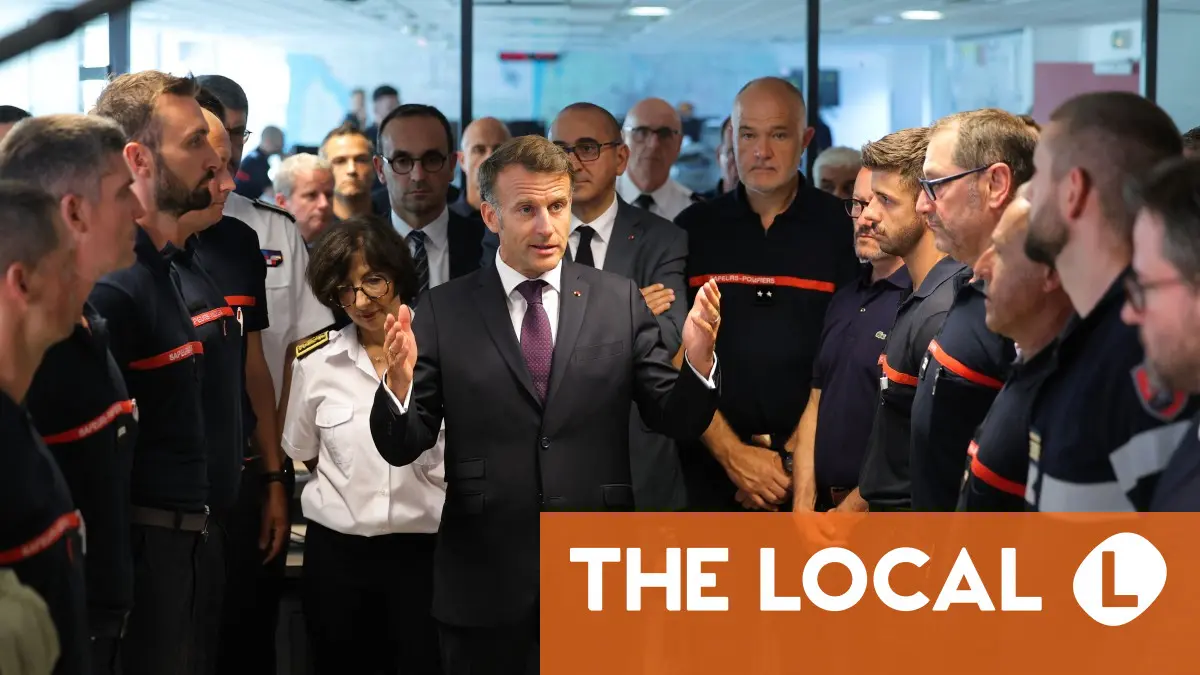
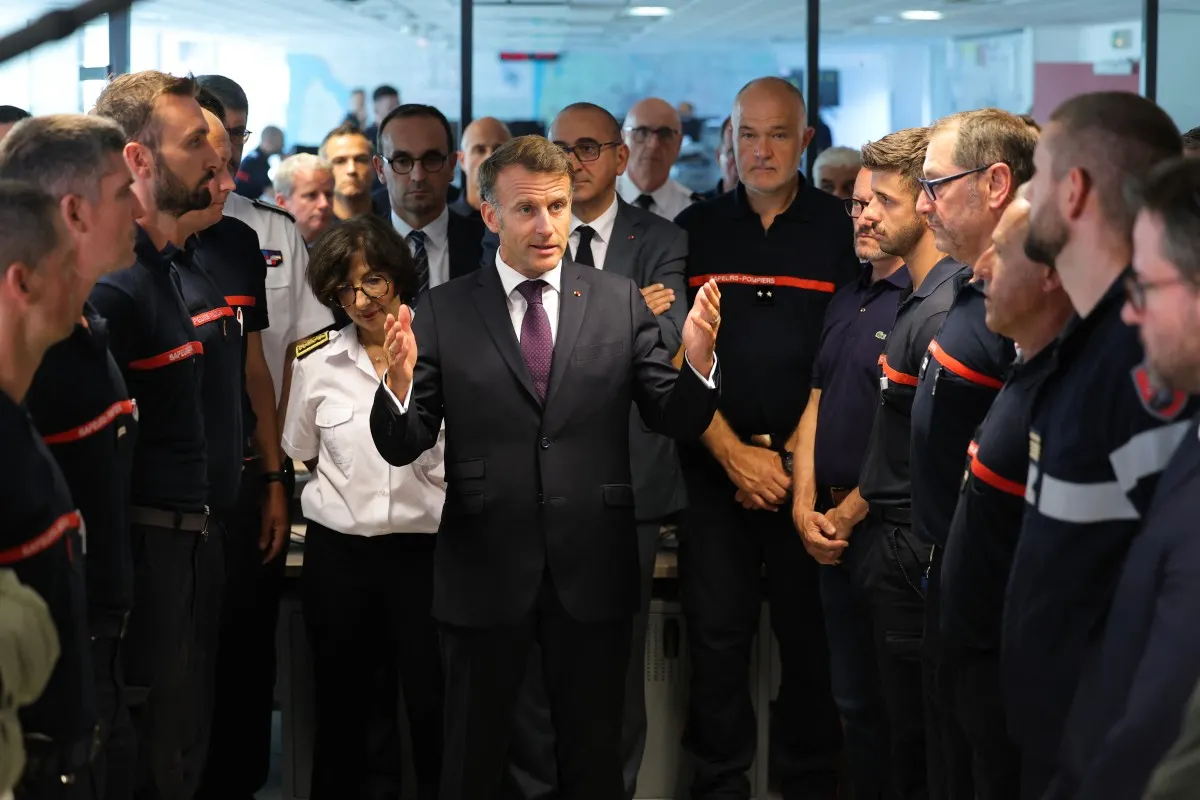
Let us reflect instead on an extraordinary and more positive fact about France which has been illuminated in this scary summer. Almost all of the young men and women fighting the fires in the south-west are volunteers.
France has 258,000 fire-fighters but only 44,000 full-time professionals. The rest, one in five of them women, are part-time volunteers called when necessary from other jobs. They earn less than the minimum wage - between €8.70 and €13 an hour (untaxed) - to risk their lives.
The three fire-fighters who have died this month were all professionals. Several of the volunteers found that their own homes had burned while they were fighting to save the homes of others.
The firefighters (sapeurs-pompiers) are struggling with a shortage of equipment despite the President Macron’s claims to have boosted the civil defence budget. Most of the cost of firefighting falls on local and regional budgets which have been cut to the bone.
The French media calls sapeurs-pompiers “soldiers of fire”. Eric Brocardi, spokesman for their national federation, said this week that they should also now be called “soldiers of the climate” or “soldiers of life”.
READ ALSO: Donations and volunteering: How can you help during wildfire season in France?