As wildfires continue to disrupt parts of south-west France during the height of the summer holidays, many travellers are wondering if they should cancel and, if so, whether they will get their money back.
France is currently experiencing an exceptionally severe wildfire season, with tourists evacuated from major blazes in the south-west.
Local authorities have urged tourists not to travel to the Gironde département, where the major wildfire has burned through at least 42,000 hectares.
"I encourage tourists not to come to Gironde," local Préfet Sophie Brocas, said, also advising those already in the département to consider changing their holiday plans and travelling elsewhere.
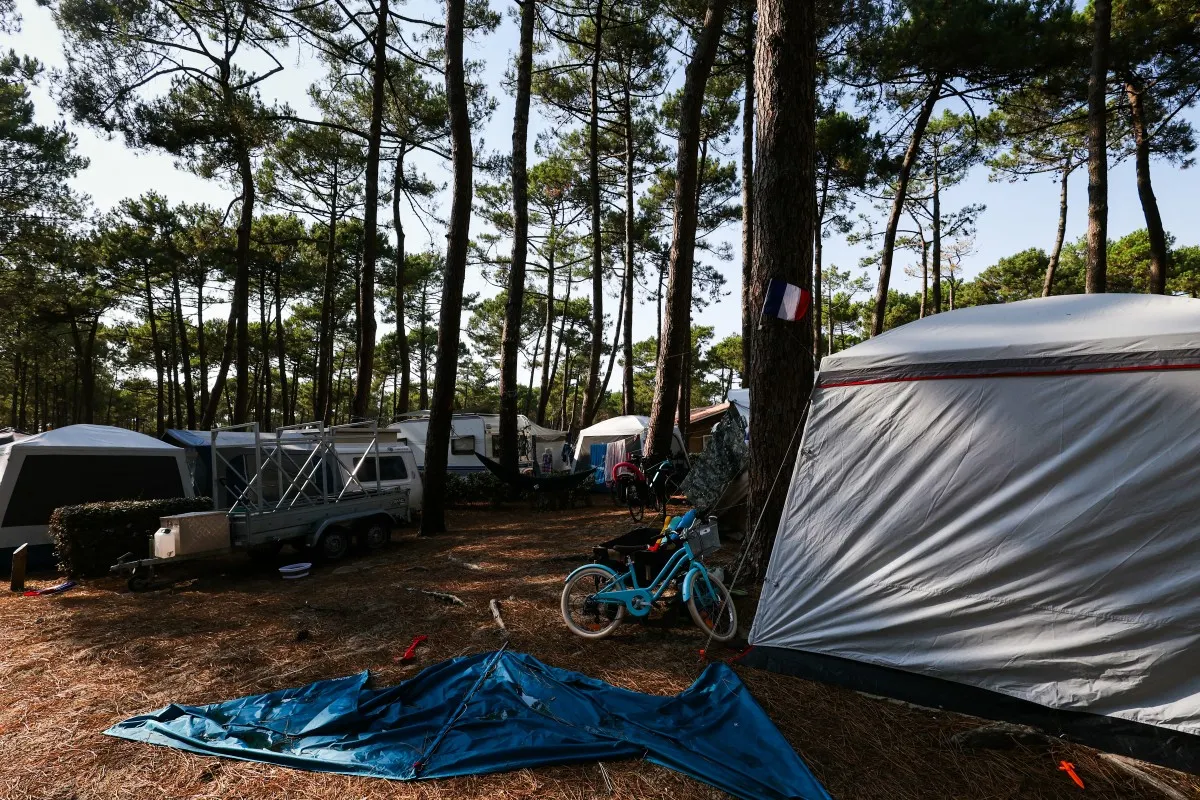
Holiday camps across Gironde have suspended their activities, while around 40,000 holidaymakers staying at 45 campsites in Gironde and neighbouring Landes have been evacuated as the fires continue to spread.
READ ALSO: Should you cancel your French holiday due to wildfires?
For those people considering cancelling a trip to France, the next question is whether they will get a refund.
The answer depends on several factors, including whether your holiday has actually been disrupted, what type of booking you made and what your travel insurance covers.
Even if a wildfire is burning in the same département or region where you planned to stay, this does not automatically entitle you to a refund.
Travel insurers generally distinguish between holidays that have become impossible because of an official evacuation, closure or cancellation and travellers who simply decide they no longer want to go.
In a wildfire zone
If your hotel, campsite or holiday rental has been evacuated by the local authorities, you are entitled to a refund from your accommodation provider.
If your hotel or campsite is forced to close, you should receive a pro rata refund for the unused portion of your stay. If any of your personal belongings were destroyed or damaged in the fire, contact your personal insurance, as many policies extend cover to possessions taken with you while on holiday.
If you had been planning to go on holiday to the affected areas during the holiday and the place you were due to stay at has closed, you are also entitled to a full refund. However, given the urgency of the situation, you may not be able to get reimbursed right away.
It is advised to send an email with all the booking details and a screenshot of the prefectural order stating the closure and evacuation, to have a written record of your refund request along with the date.
If local authorities issue an evacuation order and you rented a flat or a house from a private individual, the providers are generally required to reimburse guests because the situation is considered a case of force majeure (an unforeseeable event beyond either party's control). Under French law, neither the guest nor the provider can be penalised, and travellers are entitled to recover the cost of the unused portion of their stay.
Booking through a platform - When finalising your booking on a rental platform like Airbnb, Abritel or Booking, the terms and conditions are drafted by lawyers to provide a clearer framework for your stay in the event of any problems.
On its website, Airbnb does mention a cancellation condition - ‘unforeseeable natural disasters and severe weather events’, which currently includes wildfires in Gironde.
The platform told media la Voix du Nord that “in light of current recommendations from local authorities advising against travel to Gironde, we have extended the scope of our policy to cover the whole of the Gironde département. We will continue to adjust and review our position in line with recommendations from local authorities."
As for Booking, refunds depend on different criteria. If access to the location is impossible or the establishment has been forced to close, the platform applies its emergency rules. “Cancellation fees are then waived, even for non-refundable bookings.” These cancellation terms are also applied by Abritel.
Package holiday and independent bookings - Under EU consumer protection rules, travellers who have booked a package holiday can cancel before departure if "unavoidable and extraordinary circumstances" occur at or near their destination. This includes situations where wildfires seriously affect the holiday itself or make transport to the destination impossible or unsafe.
If your destination is directly affected by the fires, you can contact your tour operator and request to cancel your package holiday. In these cases, you are entitled to a full refund, although you are not entitled to additional compensation.
Outside the wildfire zone
The situation is different if your destination is merely close to an area affected by wildfires but has not itself been evacuated or significantly impacted.
In that case, the standard cancellation terms set out in your contract will generally apply.
Travellers who booked their flights, accommodation and other services separately have less protection.
For example, if your hotel closes because of the wildfires but your flight is still operating as scheduled, the airline is not required to refund your ticket simply because your accommodation is no longer available.
It is therefore worth checking whether you have cancellation insurance, either as a standalone policy or through the travel insurance included with your bank card, as this may cover some of your costs depending on the policy.
When it comes to accommodation, even if your provider is not legally obliged to do so, they may still choose to offer refunds, or allow people to postpone their stays free of charge. It's therefore always worth sending a polite message explaining that you are considering cancelling, and asking about their policy.
What about trains?
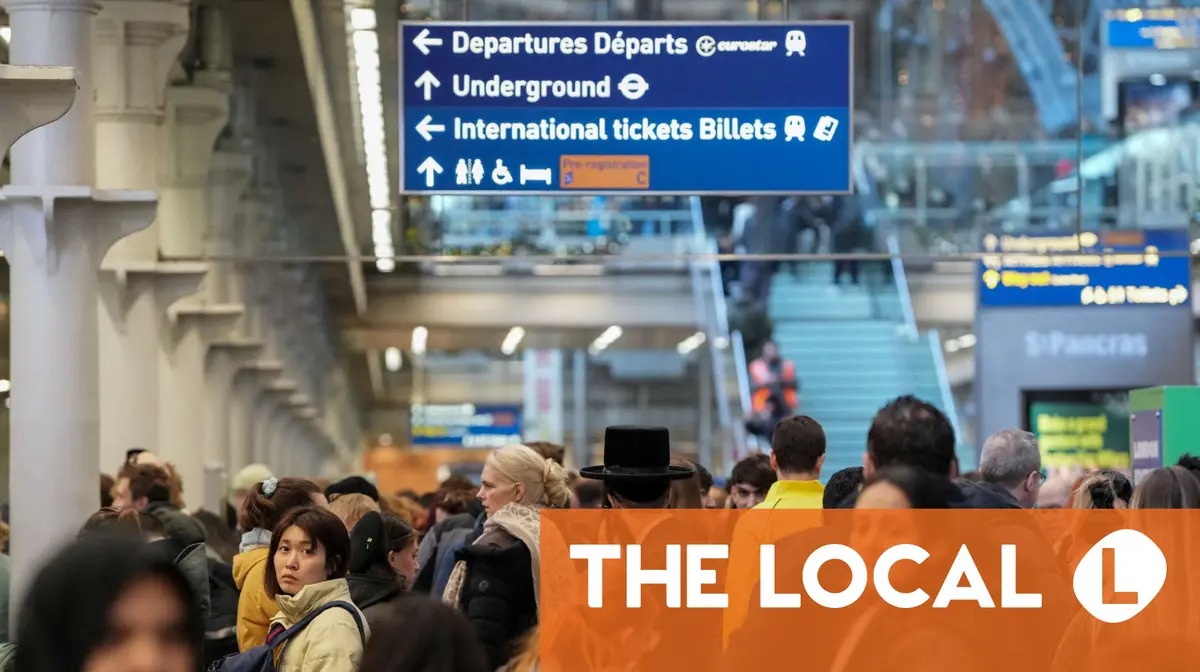
The French rail company SNCF has made it possible to cancel or reschedule journeys to the Gironde and Landes départements free of charge.
Initially, this measure only applied to journeys taking place between Saturday July 25th and Monday July 27th. But in light of the ongoing wildfires, the railway company decided to extend this scheme, allowing free changes and cancellations up to and including Friday, July 31st.
If your trip is scheduled for after this date, or for a different area of France, you will need to keep a close eye on the situation and on any subsequent announcements from the SNCF.
Travel to France: Your rights for delays or cancellations on French trains
Flights?
So far, France's major airports have largely remained operational despite the fires, including Bordeaux Airport, although travellers are being advised to check flight status before travelling as conditions can change quickly.
If your airline cancels your flight, you are entitled to choose between a refund or re-routing under European passenger rights.
If you decide not to fly while the flight still operates normally, airlines are generally under no obligation to refund non-flexible tickets.
If you purchased cancellation insurance, you should contact your insurer before cancelling anything yourself.
READ MORE: Your rights on delayed or cancelled flights in France
And ferries?
At present, ferry services linking France with the UK, Ireland and Corsica have not experienced widespread disruption directly related to the wildfires.
As with airlines, however, if a ferry company cancels a crossing you are generally entitled to a refund or an alternative booking.
If the ferry is operating normally but you no longer wish to travel, whether you receive a refund depends on the fare conditions or any cancellation insurance you purchased.
Can you get reimbursed for a rental car?
If you have already collected the vehicle and your holiday is interrupted because of an evacuation, some comprehensive travel insurance policies may reimburse additional transport costs or unused holiday expenses.
However, standard car rental agreements rarely provide refunds simply because travellers change their plans.
If roads are officially closed or authorities order evacuations, contact the rental company immediately. Many firms will work with customers on extending rentals or arranging alternative drop-off locations where operationally possible.
Meanwhile, if you had to hire a car to get home due to a cancelled train, travel insurance may cover the costs of the last-minute booking. If you have a certain type of credit card, for example, Visa Premier or a Gold Mastercard, you may also benefit from some kind of refund.