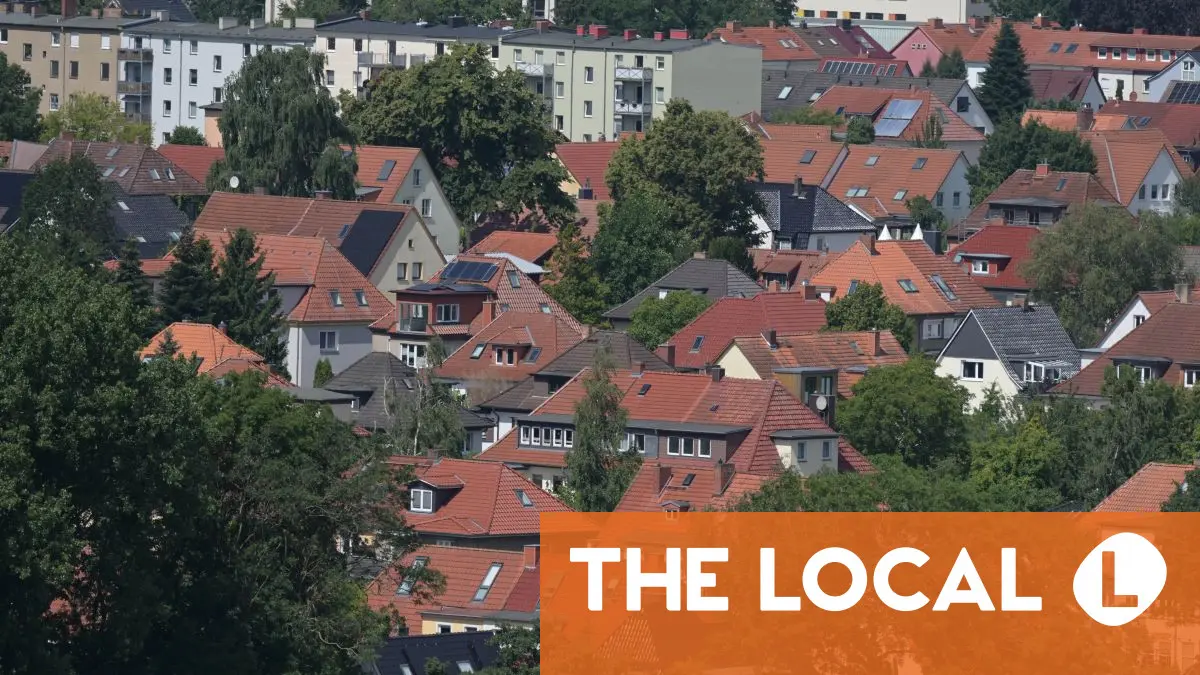
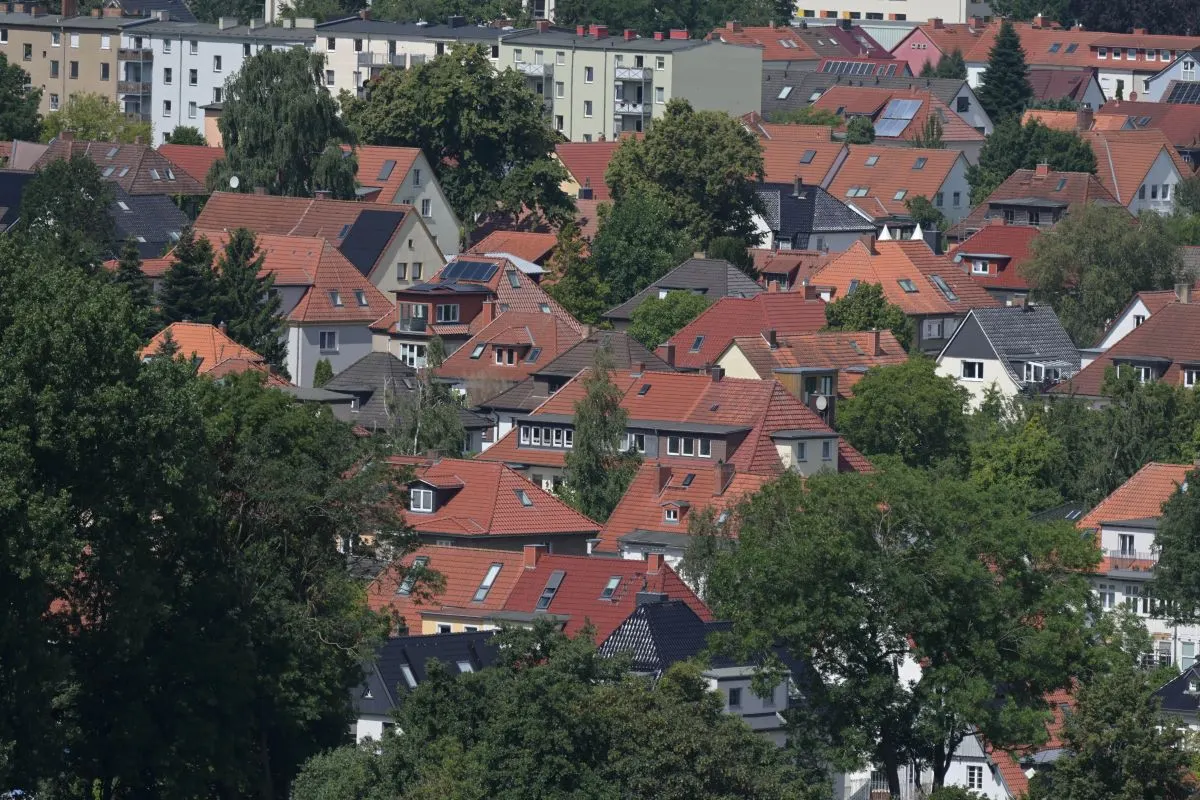
Germany’s ageing population looks set to release millions of homes onto the market over the coming years. This 'Silver Tsunami' could mean more choice and lower prices for buyers, and some new challenges for sellers.
Germany's housing market may be entering a new phase. Researchers, economists and property analysts are increasingly pointing to a demographic trend sometimes called the "Silver Tsunami".
The term describes the gradual transfer of millions of homes owned by the baby boomer generation to new owners over the coming years.
Baby boomers, generally defined as those born between 1946 and 1964, bought and built large numbers of owner-occupied homes during the post-war decades and still own a substantial share of the country's housing stock.
According to analysis by the property platform Jacasa, this generation owns around 32 percent of Germany's owner-occupied homes today, equivalent to roughly 4.8 million properties.
As the baby boomer generation ages, a significant proportion of these homes are expected to be sold, passed down or rented out – a trend which could create additional supply in some markets and bring down prices.
What does the data show?
Using 2022 census data as well as regional homeownership figures and demographic statistics, real estate platform Jacasa estimated that baby boomers currently own around 4.8 million owner-occupied homes across Germany.
Analysis by the company also found particularly high concentrations of baby-boomer-owned housing in eastern Germany and parts of the Ruhr region.
The most exposed district is Uckermark in Brandenburg, where Jacasa estimates that almost 48 percent of owner-occupied homes belong to baby boomers. Other areas with especially high figures include Ennepe-Ruhr-Kreis in North Rhine-Westphalia at around 45 percent, and Meissen in Saxony at roughly 44 percent.
READ ALSO: The German words you need to know when buying property
Jacasa argues that these areas could face growing market pressure if large numbers of properties become available while younger generations continue moving away from these regions for work and education.
But researchers caution against imagining a sudden flood of homes. The Berlin-based research institute empirica has argued that the idea of the Silver Tsunami hitting the property market is somewhat misleading.
Baby boomers span nearly two decades of birth cohorts after all, meaning that home sales, inheritances and moves into smaller accommodation are likely to take place over many years rather than occurring all at once.
A housing market divided by location
If one message emerges clearly from the research, it is that location will matter more than ever.
According to a 2026 study by the Federal Association of German Volksbanks and Raiffeisenbanks (BVR) and the German Economic Institute (IW), Germany is becoming a country of increasingly divergent housing markets.
Their analysis found that prices in metropolitan areas and economically strong regions were likely to continue rising through 2035, while some structurally weaker regions face stagnation or decline.
The study particularly identified parts of Saarland, Saxony-Anhalt and Thuringia as areas where additional supply from ageing homeowners could intensify existing pressures.
Writing in Welt, property economist Thomas Beyerle argued that theor the trend is only just beginning. He expects the number of homes being sold by ageing baby boomers to increase significantly from around 2030, with the strongest wave occurring between 2037 and 2042.
READ ALSO: REVEALED - Germany’s least affordable cities for property buyers
Single-family homes may be especially affected. Many were built in the 1970s, 1980s and 1990s and often require costly energy-efficiency upgrades or modernisation. In regions where populations are shrinking, buyers may be reluctant to take on these additional costs, creating further pressure on prices.
The picture is reportedly very different in Germany's largest cities and economic centres – including Berlin, Hamburg, Frankfurt, Cologne, Düsseldorf and Stuttgart. Continued migration, strong labour markets and limited building land mean that demand in these areas is expected to continue exceeding supply.
What does this mean for potential buyers and sellers?
For buyers, the Silver Tsunami could create opportunities. There may be greater choice, less competition and more room for negotiation on price, particularly in rural areas and smaller towns.
For sellers, the outlook is dependent on local conditions. While attractive properties in economically successful regions are likely to remain in high demand, owners of older homes in weaker markets may face longer sales periods and increased competition.
For anyone thinking about buying or selling a home in Germany, the key question is therefore becoming less about the national market and more about the future prospects of a specific place.